Employees leaving mid-flow had no way to save progress, creating drop-off risk and incomplete I-9 submissions.
HR Compliance / Onboarding SaaS
I-9 & E-Verify Integration
Redesigned the I-9 and E-Verify integration for Flex, increasing post-launch completion from 69% to 81% and reducing completion time by 26%.
Year
2024
Role
Sr. Product Designer
Client
Paychex via ITX Corp
76%
of Flex clients lacked a compliant I-9 workflow
26
Rounds of exploration & testing
2,548
Survey responses post first release
Overview
Structure
My Role
- User Research
- UX/UI Design
- Product Thinking
- Narrative
Tools Used
- Figma
- Jira
- Miro
- Webex
- Outlook
- Copilot
Timeline
Around 3 years
Design Thinking
Methodology
1. Research
Conducted design explorations and testing across user journeys.
2. Map
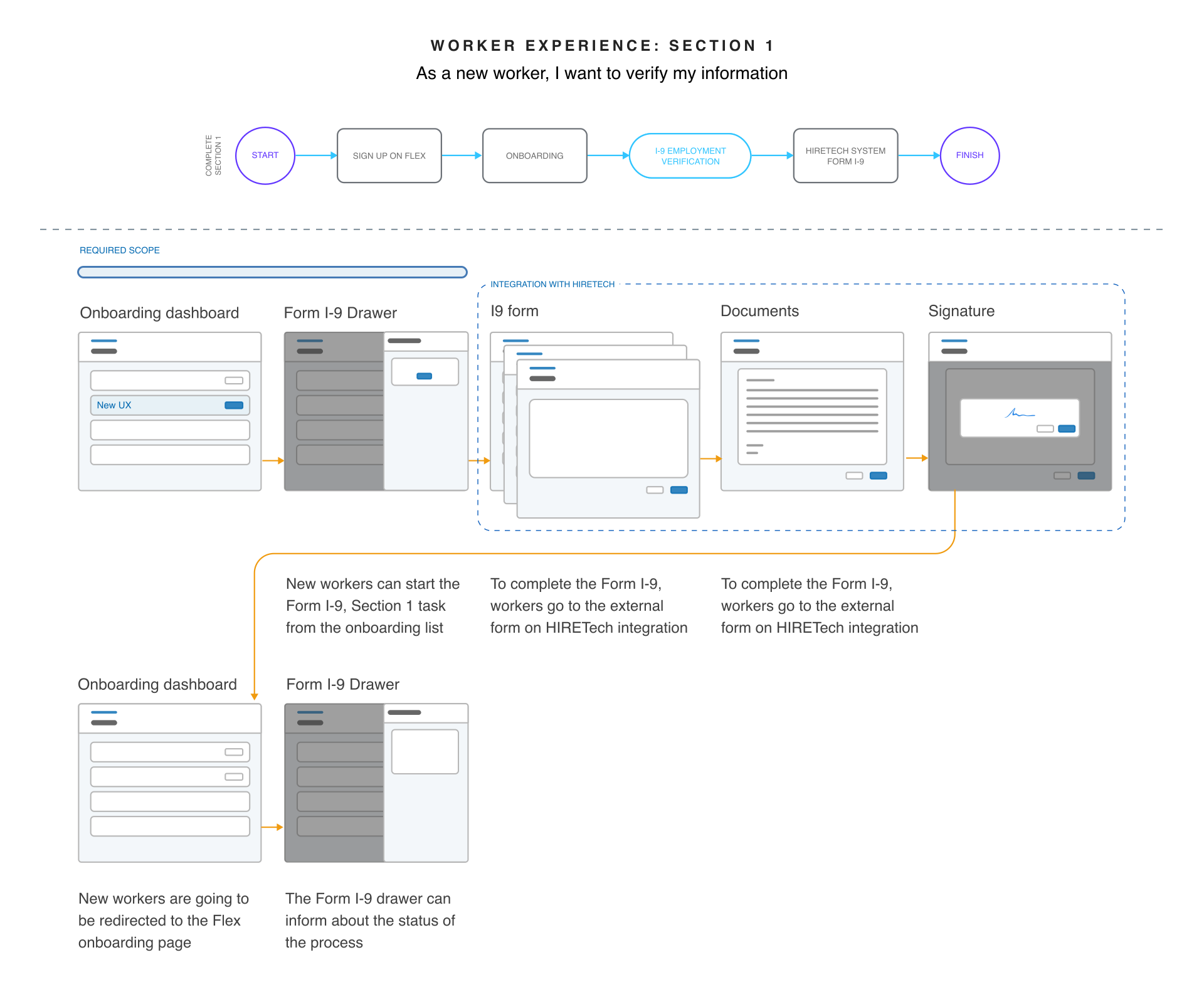
Mapped where the workflow should begin in Flex and where users would transition into HIREtech.
3. Align
Aligned I-9 with familiar onboarding task patterns like W-4 and direct deposit.
4. Clarify
Defined handoff moments, status visibility, task ownership, and completion feedback.
5. Scale
Considered future needs including shared workers, same-FEIN clients, white-label support, and document migration.
Case Study
The problem
Flex clients were completing I-9 and E-Verify requirements outside the platform, relying on manual coordination, off-platform tools, and admin follow-up to close compliance gaps.
Around 76% of users were affected, creating inconsistent completion rates, higher error risk, and increased support burden across hiring workflows.
Without a native workflow, there was no reliable way to track status, confirm ownership, or ensure compliance was completed on time.
Context
Owned the end-to-end UX process as sole designer, from research to final handoff.
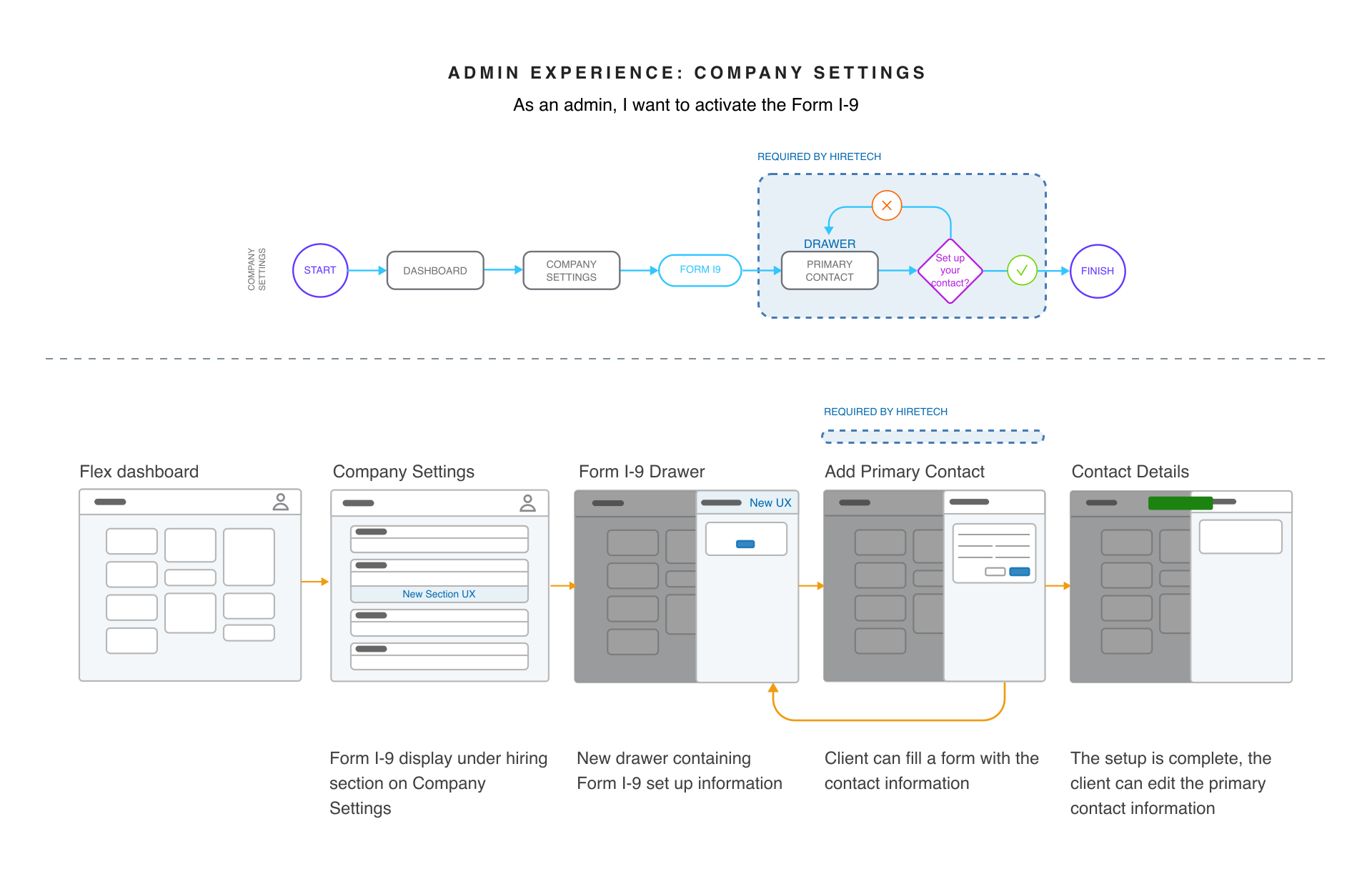
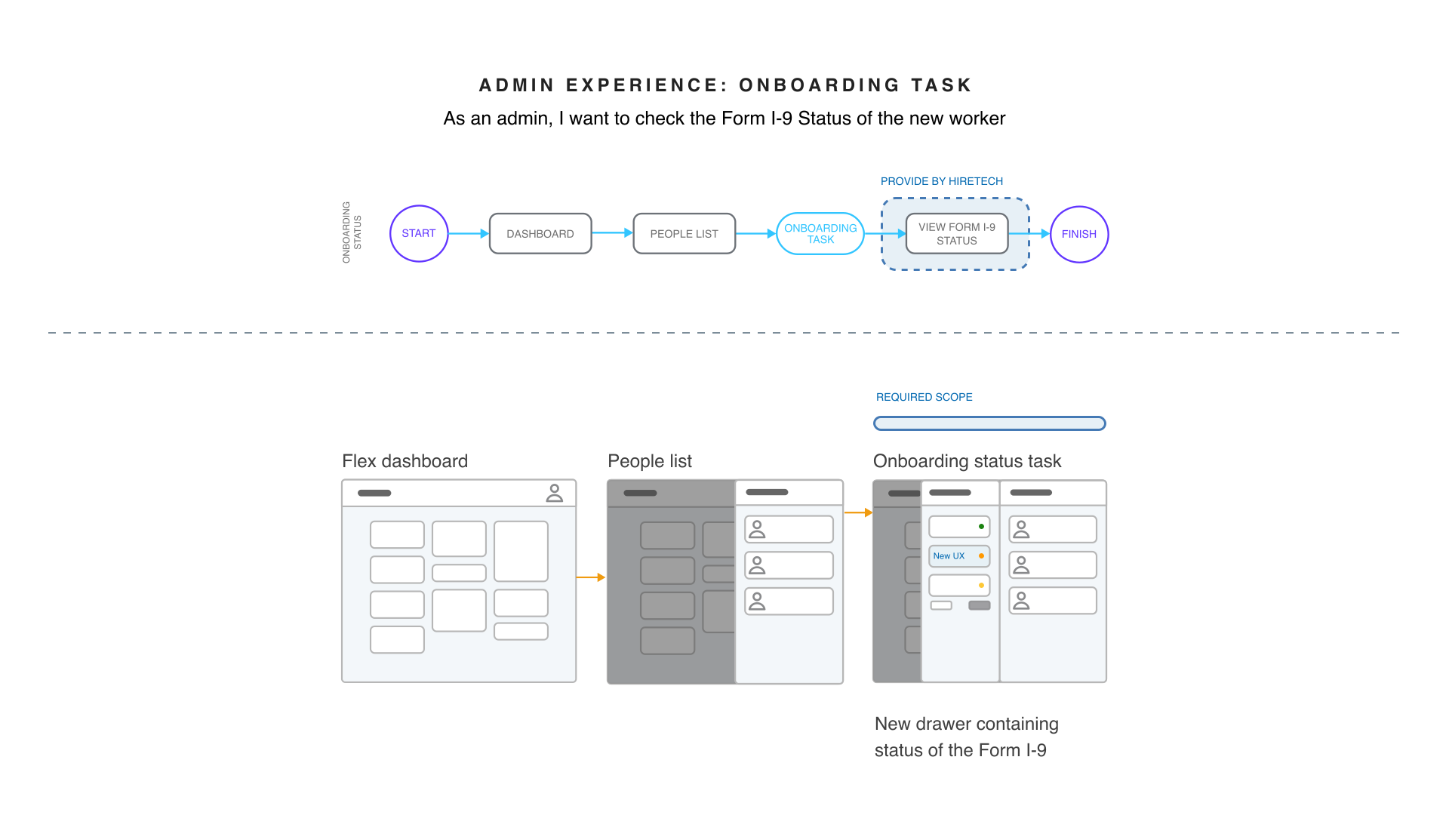
Designed for both the employee journey (Section 1) and the admin journey (Section 2 and status tracking).
Integrated I-9 and E-Verify into Flex without fragmenting the existing onboarding experience.
Facilitated a working session with BAs, engineers, and product leads to surface open questions, integration constraints, and third-party gaps with HIREtech.
76%
of Flex clients lacked a compliant I-9 workflow
26
Rounds of exploration & testing
2,548
Survey responses post first release
Design Proposal
Made I-9 feel like part of Flex onboarding rather than a disconnected compliance task by aligning it with existing onboarding patterns and designing a dedicated company settings flow to configure and manage the integration.
Use clearer handoff messaging, progress states, and completion feedback to reduce confusion around the external HIREtech experience.
Keep completed documents, progress indicators, and follow-up actions visible after the vendor experience.
Alternatives explored
Three integration approaches were considered and assessed on placement, user familiarity, and third-party dependency. Embedding I-9 directly into the existing onboarding flow was selected as the strongest option and moved into testing.
Rejected
Launch I-9 from HIREtech
Product initially proposed launching I-9 from HIREtech, but testing quickly ruled it out, new users didn't recognize the platform and had no context for why they were leaving Flex.
Rejected
Standalone I-9 section
Explored a standalone I-9 section separate from onboarding, but competitive benchmarking showed embedding it within the onboarding flow was the industry standard.
Selected
Integrated into onboarding flow
Integrated I-9 directly into the existing onboarding flow, aligning with competitive patterns and familiar user mental models. This was the approved direction.
Key Insights from Testing
Research and discovery clarified the key questions for testing: Did users understand the handoff, feel confident continuing, and maintain trust throughout the experience? The selected guided decision modal was the concept tested, and the findings showed which parts of the integration felt clear and where friction still remained.
Metric
Finding
Insight
High
Drop-off rate
Hotjar analysis of existing onboarding flow recordings revealed users dropped off due to heavy content and unclear guidance.
Friction was happening before the handoff even occurred, pointing to structural issues in the existing flow.
26
Testing rounds
Maze and moderated usability testing validated task ownership, redirect clarity, and status visibility.
The biggest clarity gap was at the HIREtech handoff, users hesitated without stronger ownership cues and redirect context.
2,548
positive survey responses post release
A post-release survey validated the integrated direction was working.
Surfaced specific areas needing refinement after launch.
7/7
Settings navigation
Pushed back on product's decision to place I-9 settings in the hiring dashboard, ran a usability test where 7 out of 7 users navigated to Settings naturally.
Used that data to realign the team and correct the navigation placement.
High
Drop-off rate
Finding
Hotjar analysis of existing onboarding flow recordings revealed users dropped off due to heavy content and unclear guidance.
Insight
Friction was happening before the handoff even occurred, pointing to structural issues in the existing flow.
26
Testing rounds
Finding
Maze and moderated usability testing validated task ownership, redirect clarity, and status visibility.
Insight
The biggest clarity gap was at the HIREtech handoff, users hesitated without stronger ownership cues and redirect context.
2,548
positive survey responses post release
Finding
A post-release survey validated the integrated direction was working.
Insight
Surfaced specific areas needing refinement after launch.
7/7
Settings navigation
Finding
Pushed back on product's decision to place I-9 settings in the hiring dashboard, ran a usability test where 7 out of 7 users navigated to Settings naturally.
Insight
Used that data to realign the team and correct the navigation placement.
The Solution
Delivered detailed design specs for development including behaviors, content examples, component definitions, and edge case documentation.
Designed email communications to announce the new integration and follow up with users who did not complete the I-9 process.
Created handoff guidelines documenting how the Flex to HIREtech integration was communicated to users, covering redirect messaging, progress states, and completion feedback.
Released product results
Post-launch impact
The released I-9 and E-Verify integration made a compliance-critical onboarding step clearer and easier to complete. By improving the handoff, next-step guidance, and expectations around the external verification experience, the flow reduced friction for employees while creating a more reliable path for HR teams.
I-9 and E-Verify flow completion
Before
69%
After
81%
Impact
+12 percentage points
Average time to complete the flow
Before
4 min 12 sec
After
3 min 6 sec
Impact
26% faster
Hesitation at the E-Verify redirect
Before
46%
After
33%
Impact
13 percentage-point reduction
Status interpretation errors
Before
31%
After
22%
Impact
9 percentage-point reduction
User confidence score
Before
3.2/5
After
4.0/5
Impact
+0.8 points
Manual process dependency
Before
60–70% baseline
After
Target: under 25%
Impact
Post-launch tracking target
Survey responses after first release
Before
—
After
2,548 responses
Impact
Confirmed the integrated direction was working
Why the change mattered
The previous experience left employees uncertain about when they would leave Flex, what E-Verify required, and whether their progress had been saved. The redesigned flow made the transition explicit, clarified the required action, and gave users clearer guidance at the point of decision.
After launch, more employees completed the flow, completed it faster, and showed less hesitation at the E-Verify handoff. For HR teams, this created a stronger foundation for timely employment verification and reduced friction in a sensitive compliance process.
Opportunities and Next Steps
Adding form save state could directly improve completion rates and reduce admin follow-up for unfinished cases.
Content misalignment between HIREtech and Flex was identified in testing; updated communication guidelines were delivered and awaiting HIREtech confirmation.
The transparency pattern developed for this integration opens the door to applying the same handoff strategy across other third-party workflows in Flex.
Learnings
What worked. Anchoring a compliance-heavy workflow to familiar onboarding patterns made I-9 feel native to the product rather than a bolted-on task. A single usability test with 7 users was enough to shift a product decision and protect a better experience,data beats opinion. Combining iterative testing with clear handoff strategy created a stronger foundation for both usability and business growth.
What I’d do differently. Establish third-party alignment earlier,waiting on compliance validation from HIREtech created rework and slowed design iterations. Moving faster through compliance content decisions by setting clearer approval checkpoints upfront, rather than iterating in circles, would have saved time.
What this unlocked. The project exposed a missing pattern in Flex for communicating third-party transitions to users. Solving it here created a reusable transparency pattern that addressed a systemic problem affecting multiple integrations across the platform.

Tools
FigmaJiraMiroWebexOutlookCopilot
Tags
UX ResearchProduct DesignWorkflow DesignCompliance
More work
Other Projects
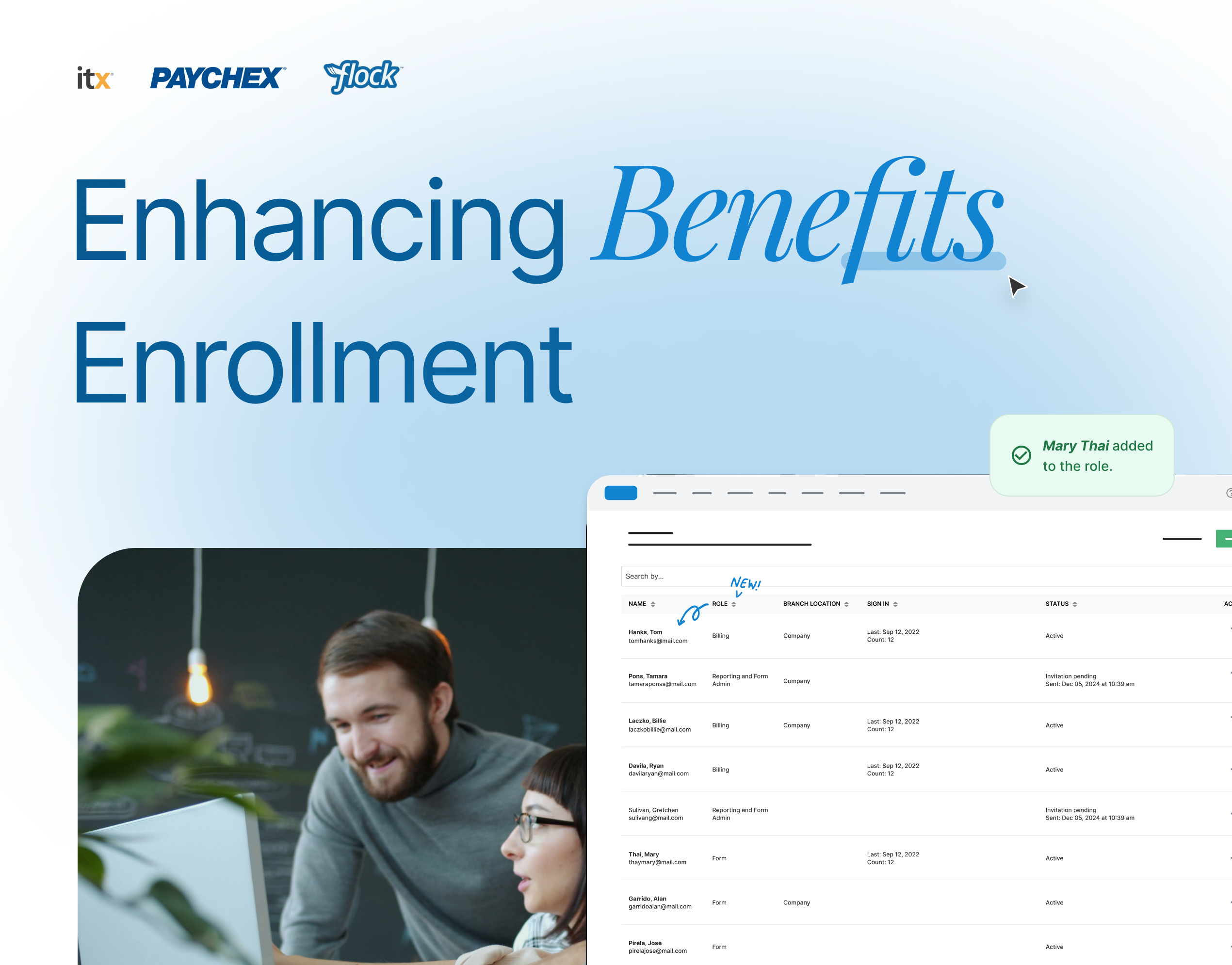
BENEFITS / ENSURANCE SAASUX ResearchIAInteraction DesignDesign Systems
Self-Service Access and Role Management
Replaced a manual workflow with a centralized, self-managed platform; cutting processing time by 72%.
View case study →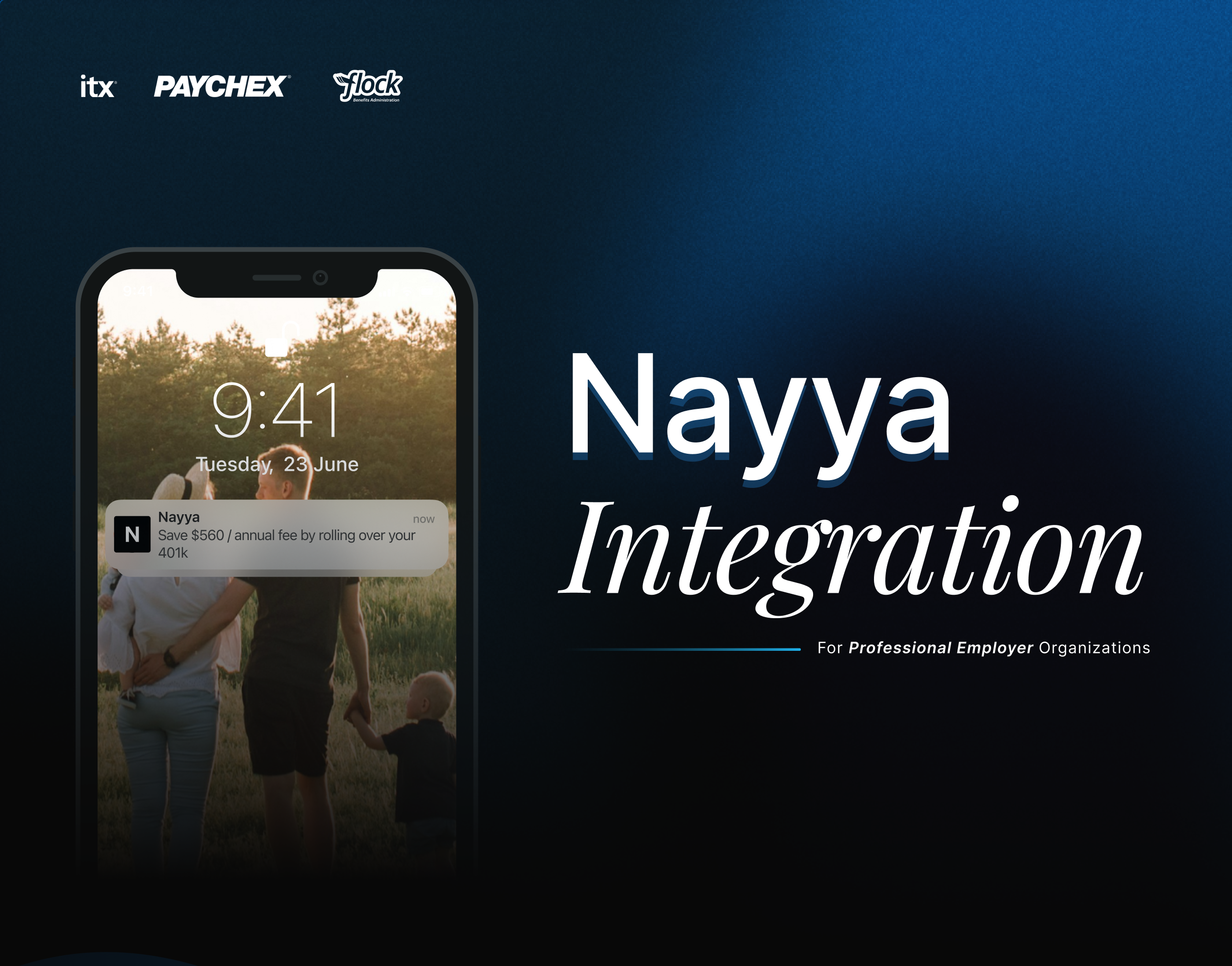
BENEFITS / ENSURANCE SAASUX ResearchIAInteraction DesignDesign Systems
Nayya Integration
Designed the integration of Nayya as an AI-powered benefits tool, guiding employees to choose coverage that matched their needs.
View case study →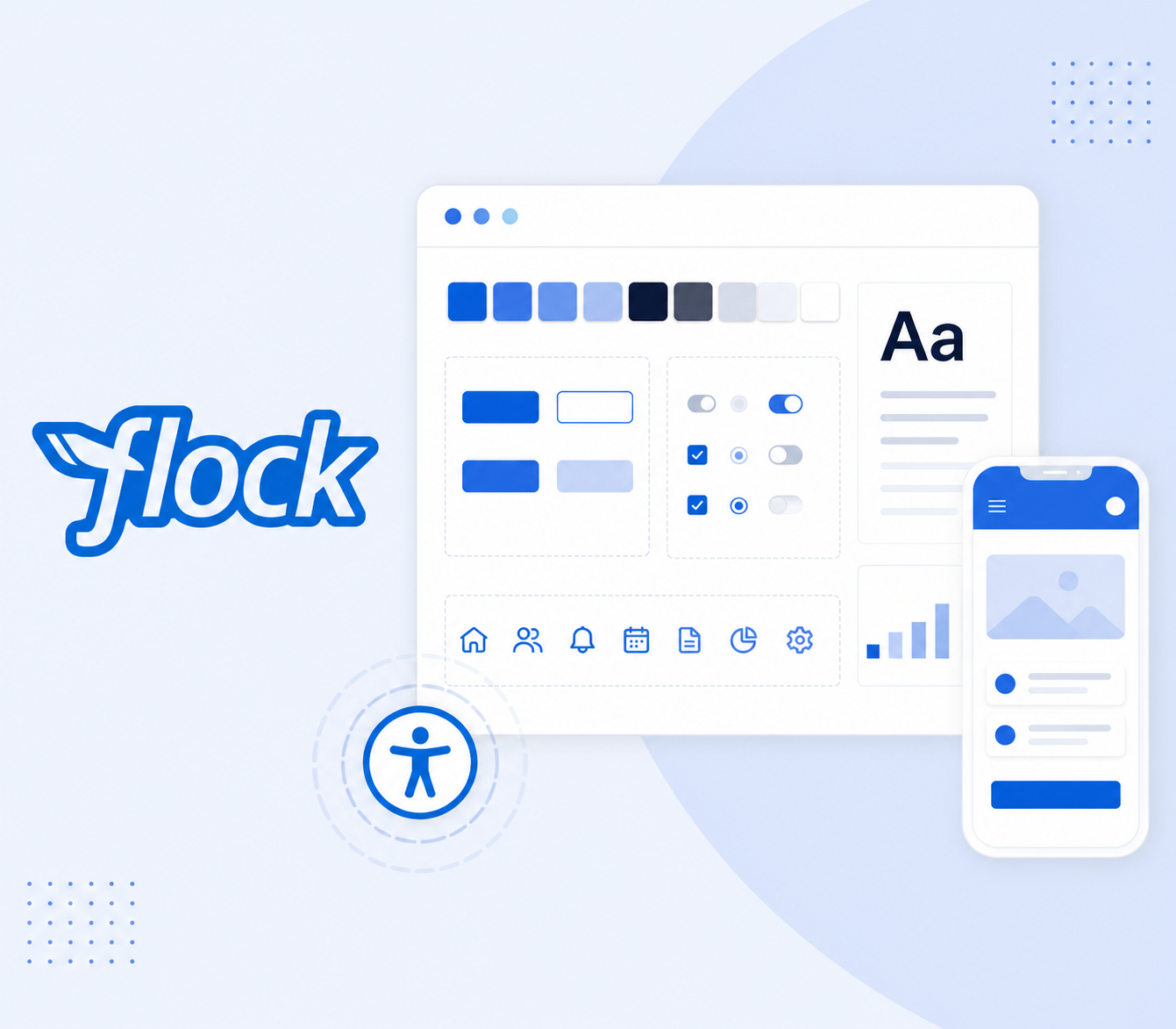
AccessibilityDesign SystemsUX ResearchProduct DesignAxeDesign systemVoice Over
Flock Accessibility Audit & Design System Unification
Led an accessibility audit and helped unify the design system. This reduced pattern debt, made the product more consistent, and improved collaboration between design and development teams.
View case study →